

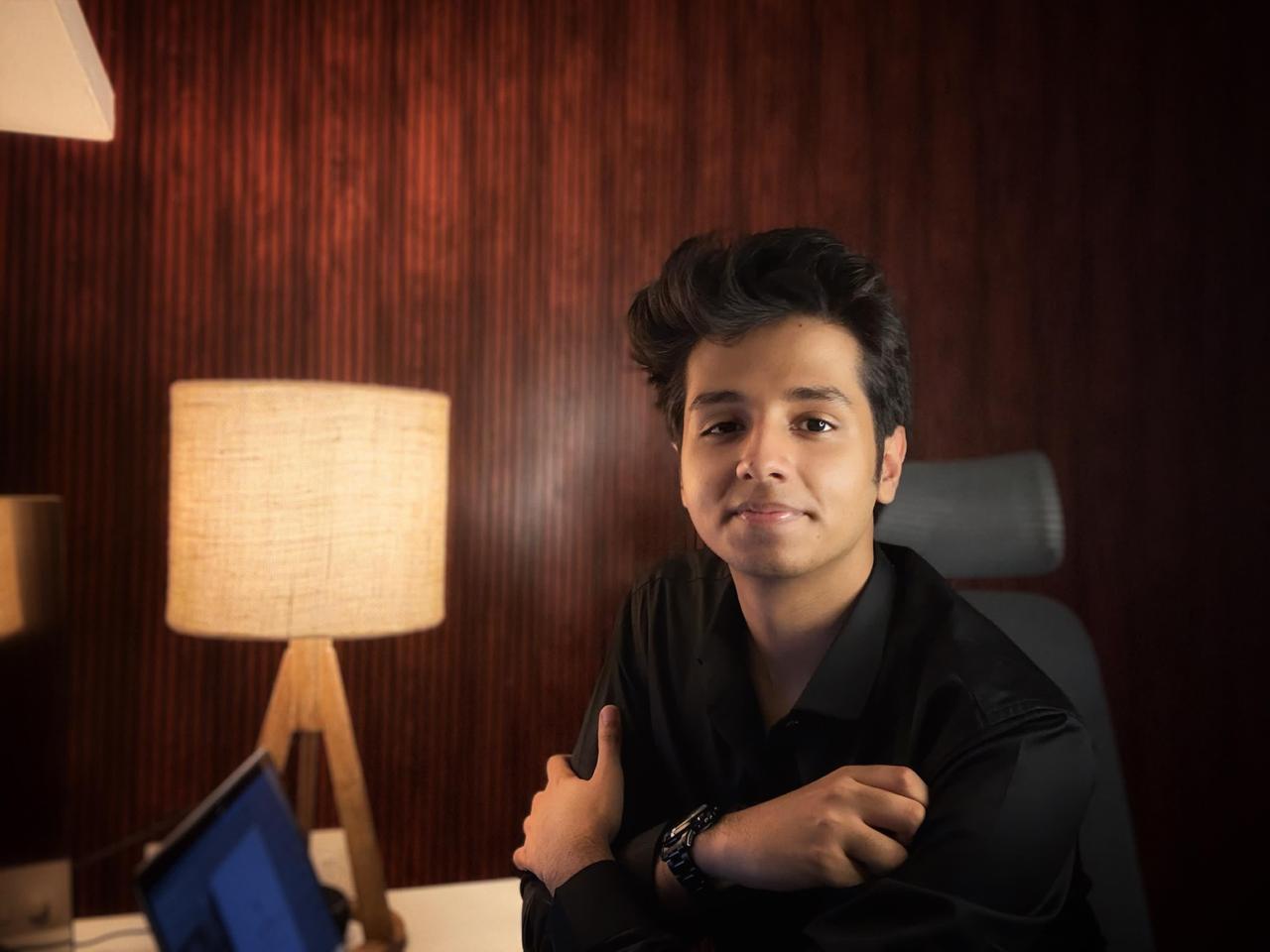
Aashrut builds the systems. He designed the identity layer, the allocation engine, the document intelligence pipeline, and Pravesh AI, the guidance system embedded throughout the student admission journey.
From ground operations to infrastructure design
Before writing a line of platform architecture, Aashrut ran an admissions consultancy, CollegeCult, that worked directly with approximately 2,000 students through live counselling cycles. Every intake interview, every preference list, every deadline tracked, every document cross-referenced was done by hand, for a real student, with a real outcome riding on it. That experience produced something that no amount of user research produces on its own: an operational understanding of exactly where the system loses people, and why. Not at the level of “students find it confusing”, but at the level of which specific step, in which specific counselling, under which specific timing constraint, causes students who should have gotten there to not get there. He also spent significant time on the institutional side, working with admissions officers at colleges to understand what the intake process looks like from their end. What the administrative overhead of running document verification looks like at scale. Where coordination breaks down between the institution and the counselling authority. What a well-designed intake flow would need to do differently for officers to trust it. That dual picture, student journey and institutional journey, is what Superadmission’s architecture is built on. The platform is not designed from the outside looking in at admissions. It is designed from inside the operation looking at what the operation should not have to do.What he has built
Superadmission™
Superadmission™
Co-designed the full platform architecture: the unified student identity system (Superadmission ID, anchored to Aadhaar and APAAR), document intelligence pipeline, eligibility engine, counselling workflow, deferred acceptance allocation engine, institutional intake layer, and payment infrastructure.
PraveshAI
PraveshAI
Designed and built the intelligence layer that handles OCR-based document confidence scoring, real-time eligibility checking, probability estimation for choice-filling, deadline conflict detection, and plain-language decision guidance throughout the student journey.
Institutional workflow systems
Institutional workflow systems
Designed the intake flows through which colleges receive pre-validated student records, track seat fill rates in real time, and interface with the allocation engine without rebuilding their own backend.
Research and data systems
Research and data systems
Built the internal tools used to map admissions journeys across the full ecosystem during the research and design phase: student flows, counsellor operations, institutional processes, authority workflows.
How he thinks about the problem
Aashrut’s framing of the admissions problem is infrastructure-first, not product-first. His reference point is not “how do we improve the student experience inside the existing system”. It is “what shared layer underneath the existing system would make the experience a non-issue”. That framing leads to different design decisions. A product optimises for what students can do within the current architecture. Infrastructure removes the architectural constraints. The difference shows up in the allocation engine: rather than helping students navigate a fragmented multi-counselling process, the engine is designed so that honest preference expression always produces the best possible outcome. The problem students currently hire consultants to solve is eliminated by the design. He applies the same logic to the institutional side. Colleges should not need to run their own document verification for students who have already been verified. Admissions officers should not be reconciling intake data with counselling databases manually. These are coordination failures that belong in the infrastructure, not in every institution’s admissions office.Background and recognition
Academics
JEE Main: 97 percentile, first attemptJEE Advanced: Qualified, first attemptBITSAT: 314/390
Awards
INSPIRE Award, DST, Government of IndiaMicrosoft Office Specialist (MOS) 2019Rotaract Delhi Chapter recognition for technical innovation and leadership
- Italy Host: Feb 2022 – Dec 2022
- Germany Host: July 2024 – Aug 2024
- Korea Host: March 2025 – April 2025
I’m building Superadmission because I’ve seen what the coordination gap costs students, not in the abstract, but one student at a time. Turning that operational experience into infrastructure that removes the gap entirely is the most meaningful work I’ve done. The goal is not a better portal. It is a system where the right student reaches the right institution, every time, without needing someone to navigate it for them.